
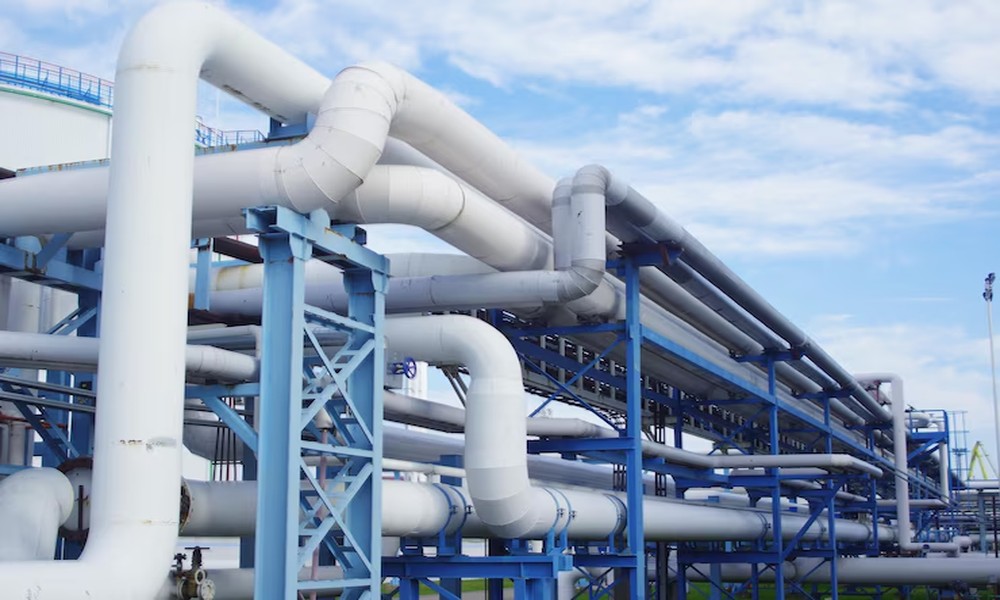

A single decision in the pipe buying process can shift your project budget by thousands of dollars, especially if you’re new to the industry. The often-overlooked factor? Where your pipe actually comes from. In a world where pennies add up, understanding pipe location could be your best cost-saving strategy.
What Does “Pipe Location” Mean in the Industry?
Defining Pipe Location and Its Importance
In the pipe and steel trade, “pipe location” refers to the geographic spot where pipe inventory is stored, processed, or distributed. This simple-sounding detail can shape everything from how quickly your order arrives to how much you ultimately pay. For new buyers, knowing the difference between a supplier’s shipping point and their billing address isn’t just trivia, it’s foundational knowledge.
How Pipe Location Impacts Supply Chains and Costs
Pipe rarely travels a straight line from mill to jobsite. Each location along the supply chain adds complexity and cost. If your supplier only has inventory in distant regions, you may wait longer and pay more. The location determines possible routing, type of transport, and even risks like border delays and weather impacts on delivery timelines.
Why Should Cost-Conscious Buyers Care About Pipe Location?
Cost Factors Influenced by Geographic Location
Shipping is rarely a flat charge. Costs swing wildly based on distance, region, and infrastructure. Urban hubs might offer lower freight costs due to dense networks, but rural outposts could mean extra fees or longer lead times. Taxes, duties, and currency conversion can also creep in, especially for cross-border orders between Canada and the U.S.
Shipping and Handling: Hidden Expenses Explained
Every mile adds measurable expense. While some suppliers advertise “free shipping,” that cost is baked into the base price, so you still pay for it. Fuel surcharges, warehousing fees, and local handling charges all vary depending on the warehouse’s location relative to your site. Ignoring these can turn a bargain into a budget buster.
How Do Stealth Pipe Locations Optimize Cost Efficiency?
Overview of Stealth Pipe’s Canadian and U.S. Facilities
Stealth Pipe and Steel operates four strategically placed facilities: Montreal (QC), Leduc (AB), and Woodstock (ON) in Canada, plus Camden (NJ) in the United States. This network bridges eastern and western Canada as well as the northeastern U.S., creating a geographic web that serves diverse customers without excessive haulage.
Strategic Advantages of Each Location
Each site serves a distinct regional market. Montreal and Camden offer convenient access to major ports, slashing import and export costs. Woodstock sits near major Ontario highways, making it a springboard for both domestic and cross-border shipments. Leduc, just outside Edmonton, is well-placed for Western Canada’s energy projects, reducing inland freight for industries in Alberta and British Columbia.
How Location Choice Affects Lead Times and Availability
Selecting the closest facility doesn’t just save on shipping. It also cuts delivery time and reduces the risk of out-of-stock delays, especially for high-demand sizes or custom orders. In periods of supply chain tension, a networked supplier like Stealth can shift inventory quickly, ensuring you’re not left waiting for critical materials.
What Are the Common Challenges Buyers Face When Selecting Pipe Locations?
Navigating Regional Supply Variability
Pipe availability can fluctuate by region. A size that’s standard in Alberta might be rare in Quebec. Weather, seasonal demand, and local project booms all affect stock levels. Buyers must stay alert to these regional shifts or risk project delays.
Understanding Local Regulations and Standards
Every jurisdiction has its own technical standards, inspection rules, and even environmental regulations. These can dictate what type of pipe is permissible, how it must be labeled, or what certifications are required. Inadvertently ignoring these rules can mean costly rewrites or shipment rejections.
Managing Inventory Risks Based on Location
Relying on a single inventory source puts buyers at risk of disruptions, ranging from labor strikes to supply chain bottlenecks. Diversified location options, like the Stealth Pipe and Steel locations, reduce exposure and offer fallback plans if one branch faces unexpected challenges.
How to Evaluate the Best Pipe Location for Your Business Needs
Key Criteria to Consider Beyond Price
Price is just the beginning. Savvy buyers also weigh factors such as:
– Proximity to project site
– Inventory depth and product range
– Accessibility for urgent pickups
– Local tax implications
– History of on-time delivery
Tools and Metrics for Location Assessment
Seek out suppliers who provide real-time inventory updates, online pipe charts, and transparent freight calculators. These tools allow you to compare scenarios quickly, balancing landed cost with availability. Site visits, when possible, can also reveal a lot about facility efficiency and product handling practices.
Case Examples: Choosing Between Different Locations
Imagine a contractor in Toronto needing urgent pipe delivery. Shipping from Woodstock, ON, might cut costs and delivery time compared to Montreal or U.S. options. Conversely, a project in New Jersey would be better served from Camden, avoiding cross-border logistics entirely.
What Are the Future Trends in Pipe Location Strategy?
Impact of Global Supply Chain Shifts
As international trade routes evolve, reliable North American distribution is becoming more important. Suppliers with agile, multi-location networks are better insulated from global shipping disruptions and sudden border policy changes.
Advances in Logistics and Distribution Networks
The integration of digital tracking, predictive analytics, and dynamic routing allows buyers to make smarter, data-driven choices. These advances translate into faster order fulfillment and fewer surprises.
Emerging Locations to Watch for Cost-Conscious Buyers
Secondary cities with well-developed logistics hubs, like Woodstock, are gaining traction as key distribution points. These often combine lower overhead with strong highway and rail links, offering buyers a sweet spot between cost and speed.
Where to Find Reliable Information and Support When Buying Pipes
When in doubt, leverage supplier expertise. Company resources such as location maps, detailed pipe charts, and responsive customer service can clarify questions before they become headaches. Reputable partners, especially with multiple sites like Stealth Pipe and Steel locations, provide flexibility and insight. For deeper issues, consult with industry experts or logistics consultants to avoid costly missteps. And remember, online tools and resources can turbocharge your decision-making, if you know which questions to ask, the right location is never far from reach.


Leave a Comment