


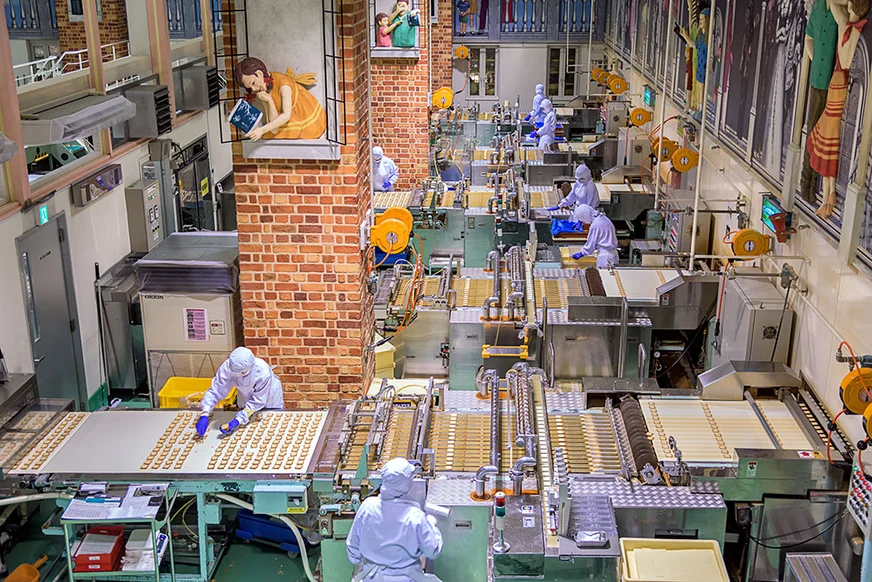
Building a food production facility on a tight budget often sparks anxiety about sacrificing quality, safety, or future scalability. For many, “cost-saving” brings to mind cramped layouts, minimal technology, and endless compromises. Yet the reality is far more nuanced.
Debunking the Myth: Cost-Cutting Means Compromising Functionality
The belief that lower budgets inevitably translate to less functional spaces is deeply rooted, but it doesn’t hold up in practice. Efficient design isn’t just about lavish finishes or enormous footprints; it’s about making informed decisions that maximize value where it counts.
Understanding the Balance Between Budget and Efficiency
Functional food production spaces rely on smart allocation of resources. Prioritizing workflow, storage, and sanitation over unnecessary frills leads to better outcomes. Often, creative spatial planning, like zoning for cross-contamination control or streamlining ingredient delivery routes, yields substantial savings without reducing performance.
Case Studies: Successful Affordable Food Production Spaces
Many bakery and processing plants across Canada have proven that cost-effective doesn’t mean cheap. Facilities designed by experienced teams, such as the Stendel + Reich architecture firm, demonstrate how thoughtful layouts and careful material choices make even mid-sized budgets go further. Their projects range from compact bakeries to large distribution centers, each tailored to clients’ operational needs and cost realities.
Myth 2: High-Tech Equipment Requires Expensive Custom Spaces
Cutting-edge technology conjures images of futuristic, custom-fitted rooms that blow out any budget. The truth? Flexibility is the real superpower.
Modular Design Solutions for Equipment Flexibility
Modular design allows spaces to adapt as technology evolves. Instead of locking in place expensive built-in features, opting for moveable partitions, plug-and-play utilities, and adaptable workflows ensures rapid response to changing production needs. It’s the difference between a kitchen that’s stuck in time and one that keeps pace with innovation.
Integrating Technology Without Breaking the Bank
By planning for scalable infrastructure, think standardized connections, open-floor layouts, and pre-wired conduits, facilities can incorporate new equipment gradually. The upfront investment is often far less than the cost of later tearing out and rebuilding major sections.
Myth 3: Food Safety Standards Inflate Design Costs Unnecessarily
Food safety is non-negotiable, yet it’s frequently blamed for budget overruns. In reality, compliance can be affordable when approached from the outset.
Streamlining Compliance Through Smart Layouts
Early integration of food safety into design simplifies compliance. Logical flows, from receiving to shipping, reduce cross-contamination risks and labor costs. Strategically placed handwashing stations and easy-clean surfaces do not require premium spending if planned early.
Materials and Finishes That Are Both Cost-Effective and Compliant
Gone are the days when only the most expensive materials passed muster. High-performance, cost-efficient finishes like epoxy floors or FRP wall panels meet regulatory standards while resisting heavy wear and aggressive cleaning, at a fraction of traditional costs.
Myth 4: Bigger Space Equals Better Production Flow
It’s tempting to believe that more square footage automatically means smoother operations, but this myth can lead to substantial waste.
Optimizing Workflow in Compact Footprints
A thoughtfully designed compact space minimizes the steps required for each task. Tighter, logical layouts often improve efficiency, reduce errors, and lower overall operating costs.
Lean Design Principles Applied to Food Production
Borrowing from manufacturing, lean design principles prioritize continuous flow and space utilization over sheer size. This approach not only supports productivity but also aligns well with maintenance and utility savings.
Myth 5: Sustainable Design Is Always More Expensive
Eco-friendly features often get dismissed as luxuries, especially when budgets are tight. Yet sustainable choices can drive down costs over time.
Cost Benefits of Energy-Efficient Food Production Facilities
Investing in energy-efficient lighting, HVAC systems, and insulation quickly pays off by lowering utility bills and maintenance expenses. Many regions offer incentives or rebates specifically for these upgrades.
Low-Cost Green Materials and Practices That Pay Off
Simple practices, from recycling greywater to using low-VOC paints and locally sourced finishes, boost both sustainability and bottom line. Upfront costs are often negligible, and the benefits accumulate month after month.
Myth 6: Renovations Are More Cost-Effective Than New Builds
The allure of retrofitting an old warehouse can seem irresistible. However, the math isn’t always on your side.
When to Invest in New Construction vs. Retrofitting
New builds provide complete control over workflow, food safety, and utility placement. While initial costs sometimes run higher, the long-term operational savings and regulatory ease can outpace the patchwork fixes of a renovation.
Hidden Costs of Renovations in Food Facilities
Older buildings hide surprises: outdated plumbing, insufficient power supply, or contaminants like asbestos. These add unexpected expenses and create costly downtime if not caught early.
Myth 7: Experienced Architects Are Too Costly for Budget Projects
Hiring expertise is sometimes viewed as a luxury, but the true cost of inexperience is measured in mistakes and missed opportunities.
Leveraging Expertise to Avoid Costly Mistakes
Experienced architects bring lessons from hundreds of projects, spotting pitfalls before they materialize. Their guidance on code compliance, zoning, and process flow can prevent expensive changes down the line.
Collaborative Approaches to Keep Design Fees Manageable
Many firms offer phased or modular service agreements, focusing on the areas where their guidance adds the most value. Open communication, clear goals, and iterative design reviews keep costs tightly controlled without sacrificing expertise.
Conclusion: Reframing Budgeting for Functional and Cost-Effective Food Production Spaces
Designing a food production facility on a budget doesn’t mean accepting less. It means making smarter choices, prioritizing function, flexibility, and long-term savings. By challenging outdated assumptions, leveraging expert resources, and focusing on efficient, sustainable design, it’s entirely possible to create spaces where cost-effectiveness and high performance go hand in hand.