
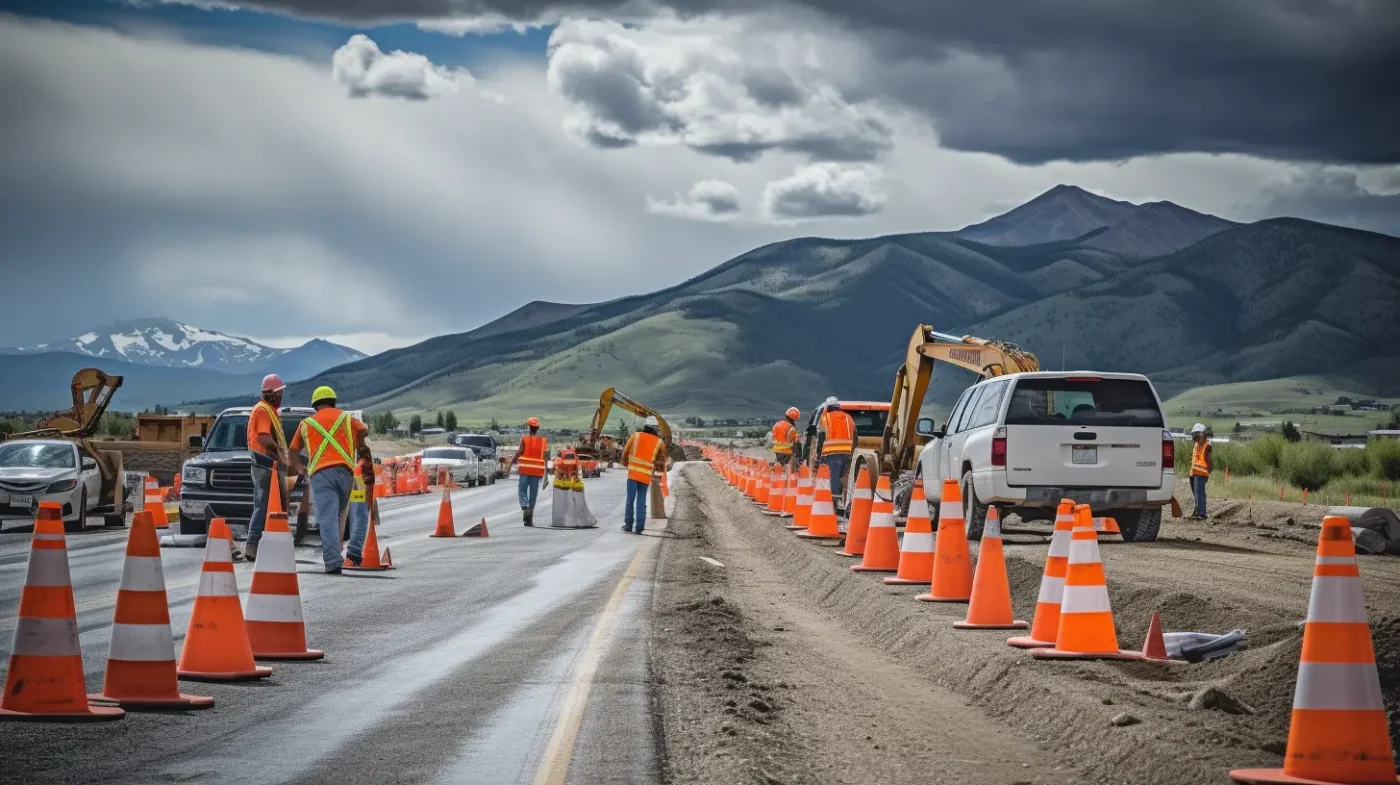

Flashing lights at the roadside grab attention, but safety during a traffic closure goes far deeper than a handful of cones and a warning sign. Lives depend on the choices you make, and the equipment you use, when shutting down a lane or rerouting vehicles. Too often, myths and shortcuts turn a necessary procedure into a dangerous risk.
Myth 1: Any Traffic Signage Is Enough for a Closure
It might seem that a bright sign telling drivers to slow down is sufficient, but this thinking overlooks the complexity of real-world roadwork.
Why Standard Signs Alone Don’t Ensure Safety
Generic traffic signs are not tailored to specific closure scenarios. Drivers become desensitized to repeated warnings, and without specialized signs addressing your exact closure, crucial instructions may be missed. Standard signage might alert drivers that something is ahead, but it rarely communicates how to navigate the altered environment safely.
The Role of Specialized Equipment in Preventing Accidents
Advanced signage, arrow boards, and regulatory signs provide clear and unmistakable direction. Impact attenuators, for example, absorb collision energy and can prevent serious injuries. When the right combination of equipment is in place, accidents drop, and the risk to both workers and drivers is dramatically reduced.
Myth 2: Traffic Cones Are Just Decorative
There’s a persistent belief that traffic cones are nothing more than visual cues. In reality, their placement and type play a pivotal role in closure safety.
Proper Use of Traffic Cones for Effective Lane Closures
The spacing, size, and reflectivity of traffic cones matter as much as their presence. Cones must be spaced according to official standards to create a clear visual path for drivers. Using too few, or placing them haphazardly, leads to confusion and erratic lane changes.
When to Upgrade to Barriers and Delineators
On higher-speed roads or during nighttime work, cones alone do not provide sufficient protection. Water-filled barriers, crash cushions, and rigid delineators offer physical barriers that keep vehicles out of work zones, shielding both equipment and people from harm.
Myth 3: Digital Message Boards Are Optional Extras
With budgets tight, some might consider portable message boards a luxury. This is a costly mistake.
How Portable Message Boards Improve Driver Awareness
Digital message boards provide real-time updates and specific instructions. If traffic patterns change suddenly due to weather or emergencies, these boards can immediately inform drivers, preventing confusion and last-second maneuvers.
Compliance with Regulatory Standards for Electronic Signage
Regulations often mandate electronic signage for certain closures. Skipping this equipment can open the door to legal liability, particularly if an incident occurs and authorities find your setup non-compliant.
Myth 4: Flagging Doesn’t Require Specialized Equipment
A person with a vest and a paddle might look ready to control traffic, but this setup leaves too much to chance.
Essential Tools for Flaggers to Maintain Safety
High-visibility apparel is only the beginning. Flaggers need paddle signs with built-in LED lighting, hard hats, and proper footwear. These tools ensure they are seen in any condition by approaching drivers.
Communication Devices That Enhance Flagging Efficiency
Two-way radios and headsets allow flaggers to coordinate with each other and supervisors. This real-time communication enables faster response to traffic surges, emergencies, and changing conditions, making closures safer and more efficient.
Myth 5: Rental Equipment Is Inferior to Owned Gear
Some project managers shy away from rentals, fearing rented items are outdated or unreliable. In fact, rental services often offer an advantage.
Benefits of Renting Professional-Grade Traffic Control Equipment
Rental companies specializing in traffic control, such as Salus Traffic solutions, maintain up-to-date inventories and follow strict safety regulations. Renting lets you choose precisely what you need for each unique site, ensuring compliance and efficiency without long-term storage costs.
Maintenance and Reliability in Rental Services
Rental providers inspect and service their equipment between uses. This means you get gear that’s been tested and maintained, minimizing the risk of malfunction at a critical moment.
Myth 6: Setting Up a Traffic Closure Is a Quick, Simple Process
Rushing through setup isn’t just reckless, it puts everyone at risk.
Step-by-Step Equipment Setup for Maximum Safety
Each closure requires a tailored sequence: assess the site, deploy signs and cones in proper order, install barriers or digital boards as needed, and conduct a walk-through to check placement. Skipping any of these steps compromises the integrity of the closure.
Common Pitfalls and How Proper Equipment Prevents Them
Improper signage placement, using the wrong equipment for road speed, and forgetting communication devices are frequent mistakes. Access to the complete range of specialized tools helps prevent these costly errors.
Myth 7: Once Set, Traffic Equipment Doesn’t Need Monitoring
Even the best setup can’t just be left unattended.
Importance of Regular Checks and Adjustments
Traffic patterns fluctuate. Equipment shifts due to wind or accidental bumps. Regular inspections and repositioning keep everything in place and functioning, maintaining the safety perimeter.
Technologies That Assist in Real-Time Traffic Control Monitoring
GPS-enabled smart barricades and remote monitoring systems now make it possible to track equipment locations and status instantly. These advances allow supervisors to react immediately when adjustments are needed, keeping closures safer and more responsive to changing conditions.
Proper equipment forms the backbone of every safe and efficient traffic closure. Cutting corners, believing in old myths, or using a one-size-fits-all approach invites risks no site can afford. When in doubt, consult with professionals who specialize in traffic management to secure the right tools for every job.






Leave a Comment