
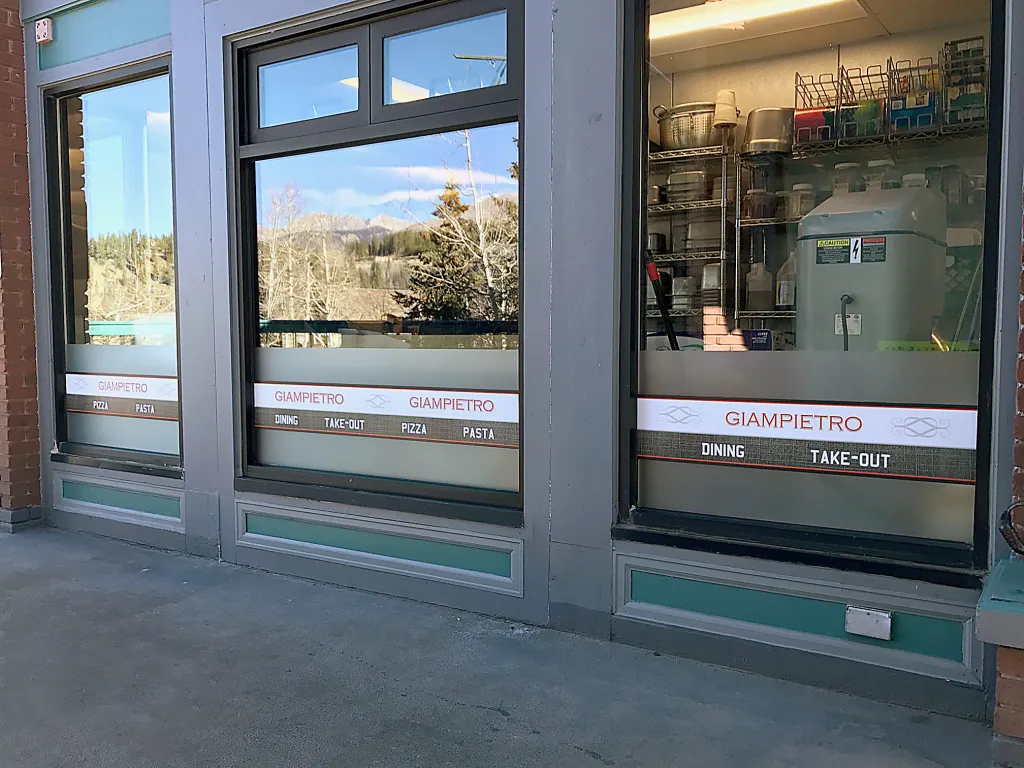

Shoppers form an impression of your business long before they step through the door. Often, it starts with your windows. Window graphics can transform a blank storefront into a marketing powerhouse or, if done carelessly, repel potential customers before you get a chance to make your pitch. Designing window graphics is not just about catching attention; it’s about creating the right impact, every time.
Understanding the Purpose and Impact of Window Graphics
Window graphics do more than decorate, they signal what your business stands for. Vibrant, professional designs help convey brand quality and entice passersby, while poorly executed visuals can create confusion or worse, leave customers indifferent.
How Window Graphics Influence Brand Perception
A cohesive, visually appealing window graphic instantly communicates your brand’s personality. For example, playful fonts and colors might attract families to a toy store, while a sleek, minimalist style assures clients of a law firm’s professionalism. Every design choice either reinforces or undermines your identity.
Aligning Graphics with Business Goals
Is the aim to announce a sale, promote a new product, or simply boost brand recognition? The purpose should shape every element of the design. Without clear intent, graphics can look random and fail to motivate action.
Considering the Customer’s Point of View
Standing outside and looking in isn’t the same as designing behind a desk. Before finalizing anything, consider how graphics will look from the street, at different times of day, and from various angles. What draws attention at noon might vanish at dusk.
Common Design Mistakes That Undermine Effectiveness
Even well-intentioned designs can backfire if you fall into these traps.
Overcrowding and Visual Clutter
Cramping your window with too much information is a classic mistake. A busy display is hard to read and quickly ignored. Prioritize clarity. Highlight one core message and make it the focal point.
Ignoring Brand Consistency and Messaging
Using mismatched fonts, colors, or imagery can confuse customers and dilute your brand. Stick to the established palette and style guide. Every graphic is an extension of your reputation.
Poor Color Choices and Contrast Issues
Faded text, hard-to-read backgrounds, or colors that blend with the surroundings are all too common. Strong contrast ensures your message stands out both in daylight and at night.
Using Low-Quality Images or Graphics
Pixelated logos or blurry photos instantly signal unprofessionalism. Always use high-resolution files and work with experienced designers to preserve quality at any size.
Technical Pitfalls in Production and Installation
Even a flawless design can fail if the technical details are ignored.
Choosing the Wrong Material for Your Window Type
Not all film or vinyl works the same on every surface. Consider your window’s location and exposure, UV-resistant or perforated films might be needed for sun-facing windows, for example.
Misjudging Scale and Placement on Windows
A graphic that looks perfect on screen can end up awkwardly cropped or lost on a large window. Always double-check measurements and visualize placement in the real-world setting.
Failing to Account for Lighting and Transparency Effects
Natural and artificial lighting can dramatically alter how graphics appear. Some materials become see-through in direct sunlight or glare, reducing visibility. Test samples on-site if possible.
Installation Errors That Damage Graphics or Windows
DIY installation may save money but can bubble, wrinkle, or even ruin both the window and the graphic. Professional installation ensures smooth application and maximizes the graphic’s lifespan.
Legal and Regulatory Considerations
Failing to follow regulations can turn your window graphics into a liability.
Understanding Local Signage and Advertising Regulations
Many municipalities restrict the size, placement, or type of window signage allowed. Fines or forced removal can result from noncompliance. Check local codes before production.
Avoiding Copyright and Trademark Infringements
Using stock images carelessly or mimicking other brands can lead to legal trouble. Only use graphics you have the right to reproduce, and always credit sources as required.
Accessibility and Visibility Compliance
Ensure your graphics do not block required lines of sight or violate accessibility rules. For some businesses, portions of the window must remain clear for safety or surveillance reasons.
Maximizing ROI Through Strategic Design and Maintenance
Great window graphics should drive results long after installation.
Designing for Seasonal and Promotional Updates
Plan for flexibility. Removable clings or modular elements let you update graphics for holidays, sales, or changing inventory without redoing the entire design.
Planning for Durability and Weather Resistance
Choose materials rated for your climate. Proper lamination protects against fading, peeling, and weather-related damage, extending the life of your investment.
Monitoring Performance and Gathering Customer Feedback
Pay attention to how customers respond. Are more people entering your store? Do they mention your windows? Adjust future designs based on feedback and observed behavior.
Partnering with Professional Printers and Installers
A reliable printing partner makes all the difference. Experienced providers like Doculand impression numérique offer expert guidance on material selection, color accuracy, and installation, helping your business avoid costly mistakes from the start.
Designing window graphics is both art and science. By sidestepping these common pitfalls, you ensure your business stands out for all the right reasons, and that every passerby sees not just a storefront, but a brand worth discovering.







Leave a Comment